This is a general guide to buying a first home in Las Vegas and Nevada: the steps, the costs and the first-time home buyer programs the Nevada Housing Division lists. It is general information, not lending advice. A licensed lender can tell you what you qualify for.
The program descriptions below are from the Nevada Housing Division's Home Is Possible website, as read on October 6, 2026. Programs and terms change, so confirm the current details on the official site before you rely on them.
The steps to buy your first home
- Check your budget and credit. Know your monthly budget, not just a purchase price, and look at your credit reports before you talk to a lender.
- Talk to a lender and get pre-approved. A pre-approval letter shows sellers you can finance an offer. Compare more than one lender.
- Take homebuyer education if a program requires it. The Home Is Possible pages list a course as a requirement (see below).
- Search and tour homes. Search Las Vegas homes for sale and save searches to get new listings by email.
- Make an offer. Your agent writes the offer and negotiates price, closing date and repairs.
- Inspection, appraisal and loan approval. These happen during escrow. An inspection tells you about the home's condition; the lender orders an appraisal.
- Close. You sign the loan and transfer documents, pay your closing costs and down payment, and get the keys.
Nevada first-time home buyer programs (Home Is Possible)
The Nevada Housing Division runs Home Is Possible, listed on housing.nv.gov and described at homeispossiblenv.org. The site presents two programs. Amounts, limits and eligibility rules change, so we do not repeat them here; the official pages have the current terms.
- Home Is Possible for first-time homebuyers: down payment assistance that can be used toward a down payment and closing costs. As the page describes it, you must be a first-time homebuyer as the program defines it, complete a homebuyer education course and live in the home as your primary residence. Purchase price and income limits are set by county.
- Home Is Possible: assistance toward a down payment or closing costs that the page describes as having no first-time homebuyer requirement. It lists purchase price and income limits, a homebuyer education course and a primary-residence requirement, and works with several loan types, including FHA, USDA, VA and conventional loans.
Which program fits you, what you qualify for and what the current terms are is a question for a participating lender or the Home Is Possible team. Contact details are on the Home Is Possible site. Browse homes in your budget on our search page.
Down payment help in Nevada
Nevada down payment assistance is available through the program above. Other sources exist, such as lender programs and, for some buyers, VA or USDA loans that can require little or no down payment. Eligibility depends on the lender and the loan, so ask a lender which options you qualify for. We do not give lending advice.
Closing costs in Nevada
Closing costs are the fees to complete the purchase, paid at closing in addition to your down payment. They typically fall into these groups:
- Lender fees: loan origination, appraisal, credit report and similar charges.
- Title and escrow fees: the title company or escrow officer's charges and title insurance.
- Prepaids: property tax and homeowner's insurance collected in advance, and interest from closing to your first payment.
- Government fees: recording fees and the real property transfer tax that Nevada charges on a sale. Who pays it is part of the contract negotiation.
- HOA fees: if the home is in an association, there can be transfer or resale-package fees.
Your lender must give you a Loan Estimate that itemizes these. The Consumer Financial Protection Bureau explains how to read it on its Loan Estimate page. Ask your lender and agent for an estimate for the specific home, because the amounts depend on the price and the loan. The Home Is Possible assistance above can be used for closing costs, per the program page.
Choosing where to look
Your budget and commute drive the search more than any ranking. Compare neighborhoods in Best Neighborhoods in Las Vegas, and read our guides to Skye Canyon, Southern Highlands, Mountain's Edge and Inspirada. For current prices and trends, see the monthly market update and the live market report. Compare the monthly cost, including HOA dues, taxes and insurance, not just the price. See Living in Las Vegas: Cost of Living for taxes and everyday costs.
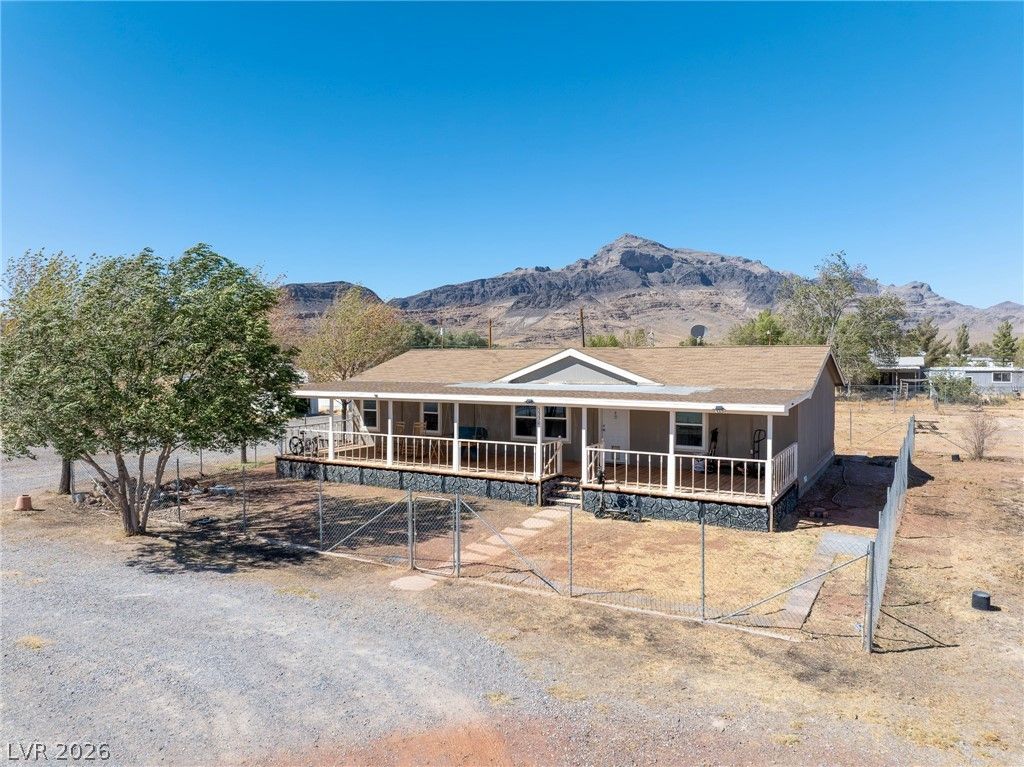
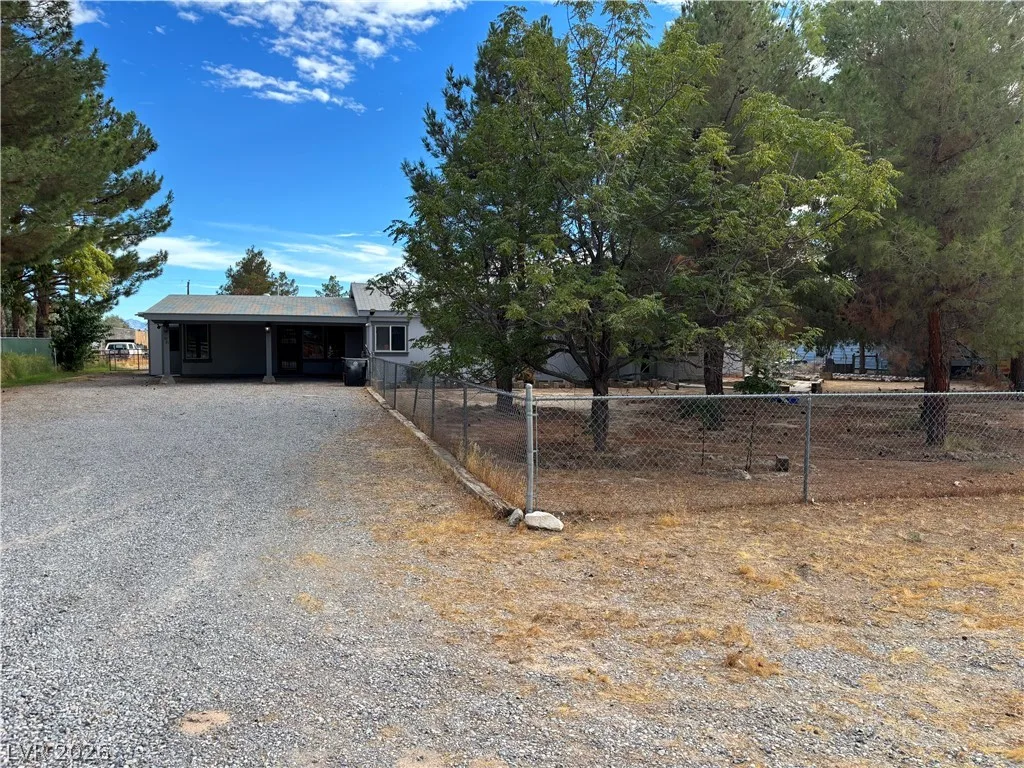
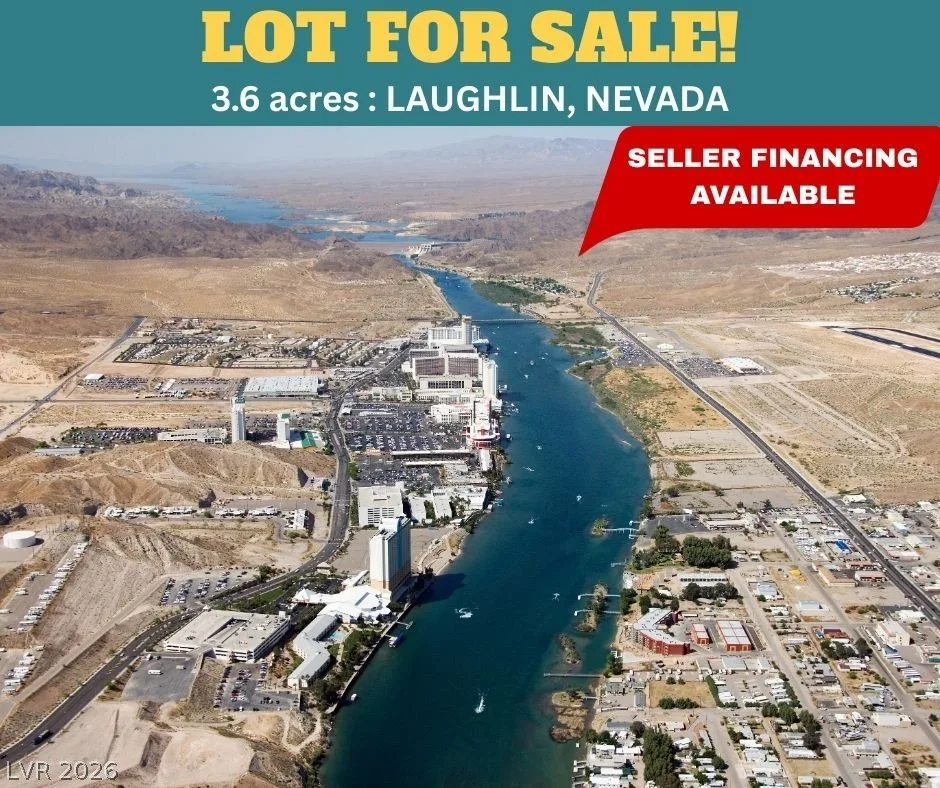
Homes you could look at now



Talk to us about buying your first home
If you want help with your first purchase, contact 1st Realty. You can also search homes for sale and save the search for email alerts.


