
Buying a foreclosed, bank-owned or short-sale home can be straightforward or complicated, depending on the route. This guide explains how each route works in Nevada, based on the statute and federal agencies, lists the risks and the inspection and financing questions to ask, and shows the distressed listings in our data. It is general information, not legal advice. For a specific property, talk to a Nevada real estate attorney and a title company.
Terms you will see
- Foreclosure: a lender enforcing a defaulted loan by selling the property. In Nevada, the process for a deed of trust is set out in NRS Chapter 107.
- Bank-owned (REO, "real estate owned"): a home the lender owns, usually after a foreclosure sale. In our data the MLS tag is RealEstateOwned.
- Short sale: the CFPB describes it as a sale of your home for less than what you owe on your mortgage; the lender or servicer has to agree to it.
- Auction: in the MLS field, a listing sold by auction. A foreclosure sale is also held as an auction, but it is run by a trustee, not listed by an agent.
What our distressed filter counts
Our listing data carries the MLS "special listing conditions." We treat a listing as distressed when that field includes ShortSale, RealEstateOwned, InForeclosure or Auction. A listing tagged only as a probate listing is not counted as distressed. The field has only been tracked consistently since August 2026, so older listings may be missing the tag, and a home without the tag can still be a distressed sale. Read each listing's remarks and ask the listing agent.
How a Nevada foreclosure works
NRS 107.080 (read October 9, 2026 at the Nevada Legislature) says a trustee's power of sale cannot be exercised until the lender records a notice of default and election to sell and not less than 3 months have elapsed after the recording. The trustee must then give notice of the time and place of the sale by recording a notice of sale and by serving it on the owner and other entitled persons, posting it for 20 days in a public place in the county, and publishing it once a week for 3 consecutive weeks in a newspaper. For owner-occupied housing, NRS 107.085 requires that the notice be served not later than 60 days before the sale. These timelines have exceptions, so a lawyer should read the actual notices.
NRS 107.081 says foreclosure sales are made at auction to the highest bidder, between 9 a.m. and 5 p.m., at the public location in the county designated by the county's governing body. NRS 107.086 gives owner-occupants a way to petition the district court for mediation, and says the lender or its representative must attend.
Buying at a foreclosure auction
A trustee's sale is different from a normal purchase. Before you bid, ask a title company and an attorney:
- What liens or other claims will remain on the property after the sale?
- Is the property occupied, and what happens if it is?
- What form of payment is required, and by when?
- Can you inspect the property first? If not, what condition risk are you accepting?
- Are there unpaid association assessments? For a home in a common-interest community, the resale package under NRS 116.4109 includes a statement of any unpaid obligations of the seller; see our condo and townhome guide.
Bank-owned homes and HUD homes
Once a lender owns a home, it is often sold through a listing agent like any other. HUD homes are sold through HUD Home Store. HUD says only HUD-registered bidders can make offers, that you cannot put in an offer on a HUD home by yourself and must use a broker, that owner-occupants get an exclusive bidding period of 15 days on insured properties and 5 days on uninsured ones, and that an uninsured property is not eligible for an FHA-insured loan unless a Section 203(k) loan can be arranged. Read the current rules before you bid.
Short sales
The CFPB's short sale explainer says a short sale needs the lender or servicer to agree, that the gap between the sale price and what is owed is called a deficiency, and that a seller should ask the lender to waive it in writing. As a buyer, expect more waiting than in an ordinary sale: the seller's lender has to approve the price. Ask the listing agent where the lender's approval stands before you spend money on an inspection or appraisal. If you are the homeowner, the CFPB recommends working with a HUD-approved housing counselor; you can find one here.
Inspection, insurance and financing
- Inspection: distressed homes are sometimes vacant for a while. Hire an inspector who will check the roof, plumbing, electrical, air conditioning and water heater, and ask what the seller will and will not repair.
- Financing: lenders look at the condition of the home as well as at you. Ask your lender early whether the home will qualify for the loan you plan to use and whether repairs will be required before closing. For HUD homes the rules above apply.
- Insurance: ask your insurer whether a vacant or damaged home can be insured as is.
- Timeline: a lender-owned or short-sale contract can take longer to approve and close than a normal one. If you need to move by a date, say so up front.
If you do not yet have a lender, see our mortgage pre-qualification page and mortgage calculator.
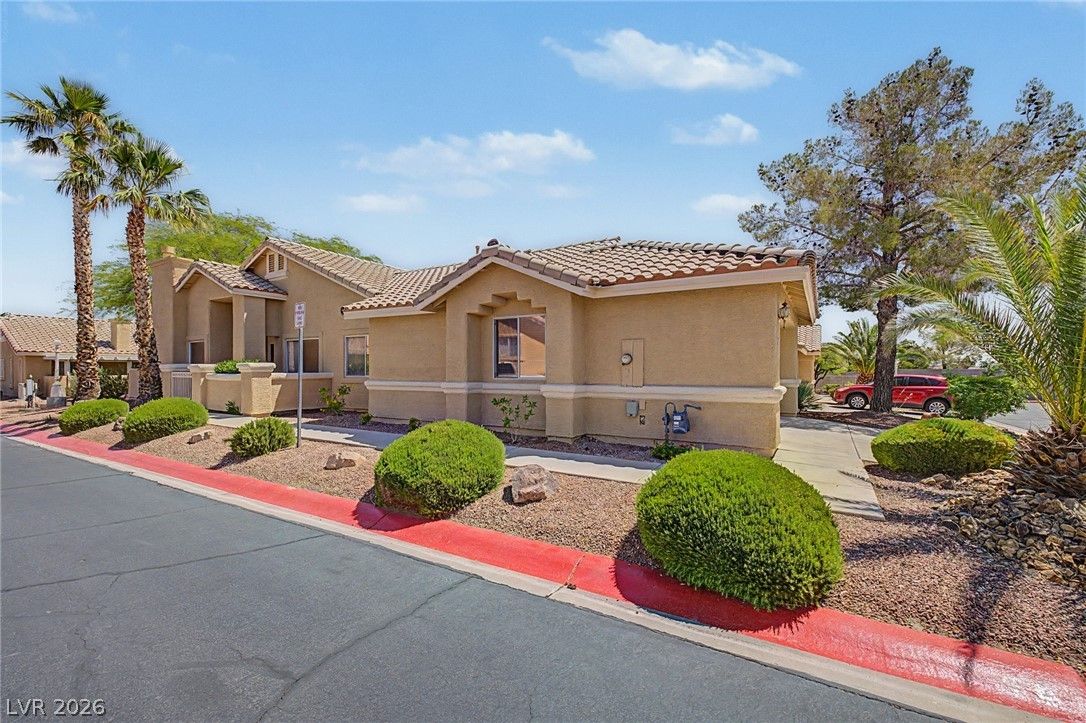
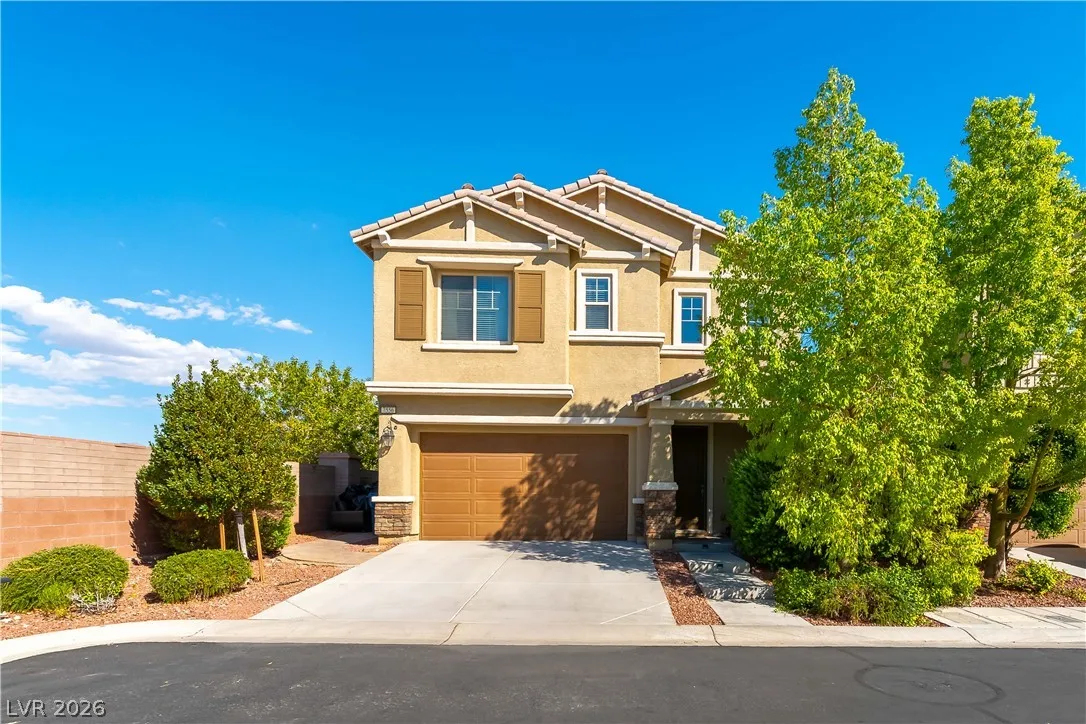
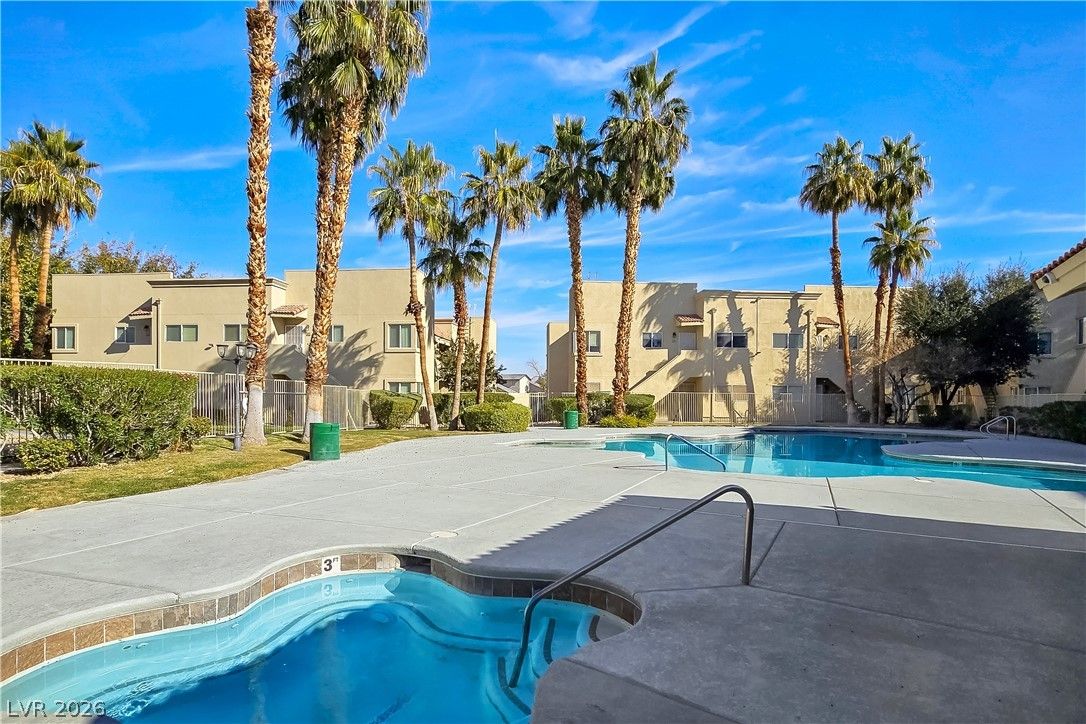
Bank-owned, foreclosure and auction listings now
These are current for-sale listings whose MLS conditions include RealEstateOwned, InForeclosure or Auction.


Short sale listings now
These are current for-sale listings whose MLS conditions include ShortSale. Short sales need lender approval, so closing takes longer.
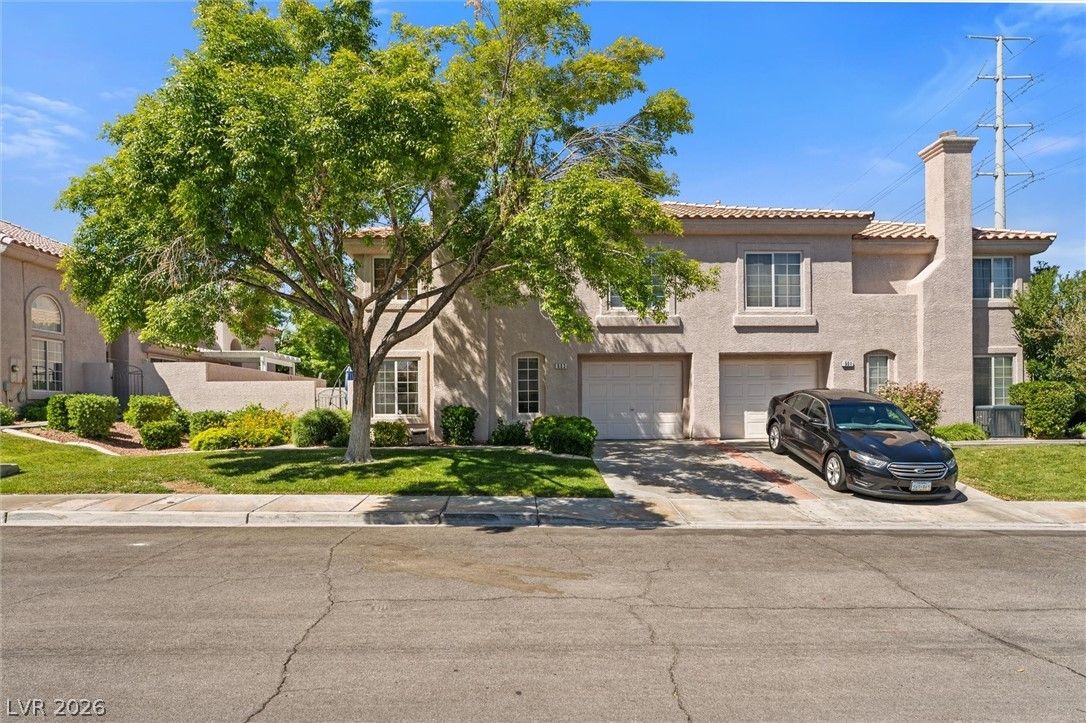
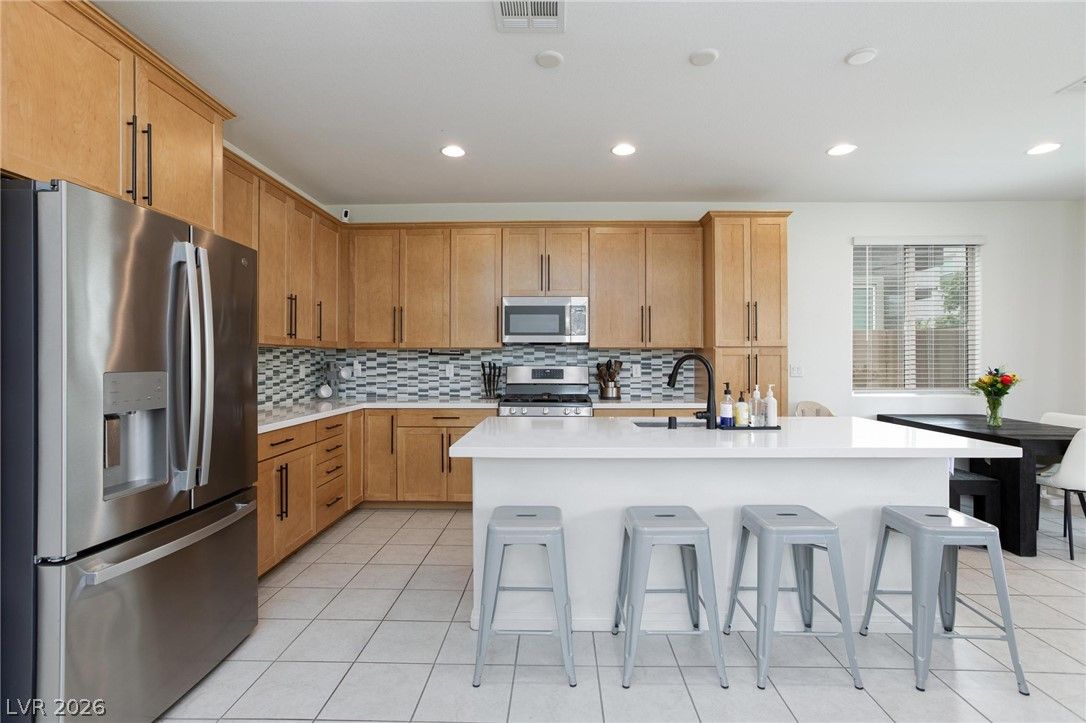
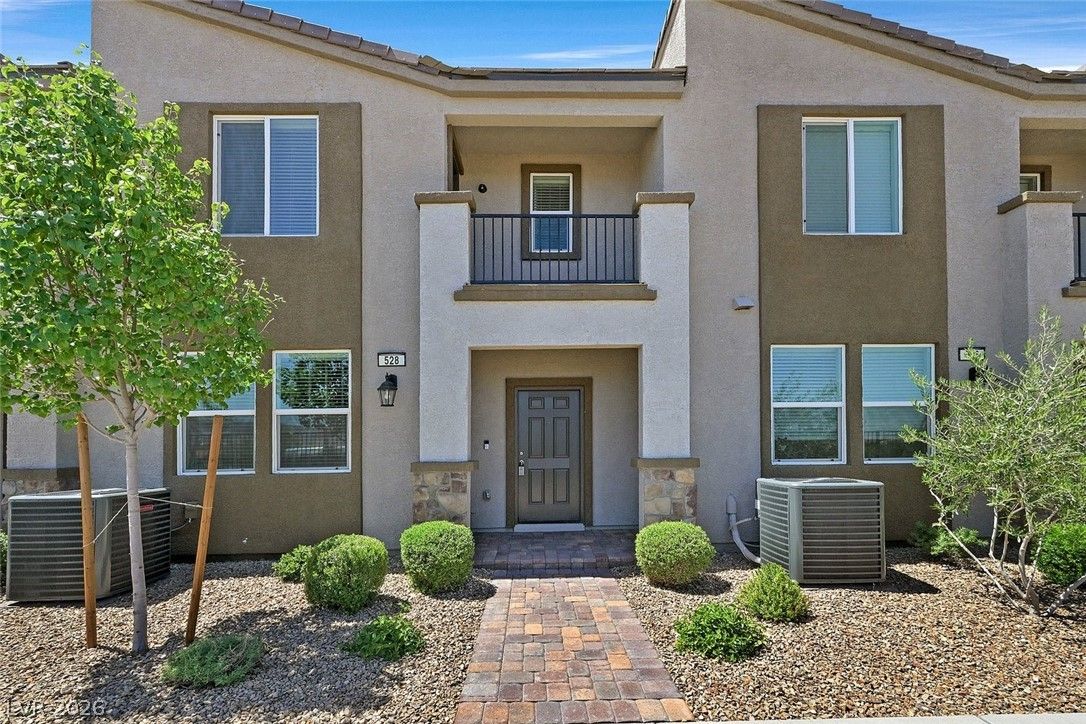
See all distressed listings (the search filter combines both groups)
Questions to ask before you buy
- Is this a trustee's sale, a bank-owned home, a HUD home or a short sale, and who approves the price?
- What does a title search show, and who is responsible for any liens?
- Is the home occupied?
- What is the condition, and will the lender allow an inspection?
- Will the home qualify for your loan, and what will the lender require?
Related guides
- First-Time Home Buyer Guide to Las Vegas
- Condos and Townhomes in Las Vegas: How They Differ and What to Check
- Nevada Property Taxes Explained: The 3% Cap and the Homestead Declaration
- Las Vegas Housing Market Update: October 2026: median sold price, inventory and days on market for the Las Vegas area and Henderson.
- Best Neighborhoods in Las Vegas: compare the areas we cover by price, home type and location.
Talk to us about distressed properties
If you want help finding or evaluating a distressed property, contact 1st Realty. You can also search all distressed listings and save the search for email alerts.


