
With a condo or townhome, the differences that matter are what you own, what the association controls, and how a lender looks at the building. This guide covers those, based on Nevada law and the federal agency that insures many condo loans, and links to live listings.
The short version
- A condo is a unit plus a shared interest in the building's common areas. Nevada law defines it as a common-interest community in which portions of the real estate are designated for separate ownership and the rest is owned in common by the unit owners (NRS 116.027).
- A townhome is a style of home, not a legal category. Whether you own the land under it, and what the association owns, depends on the community's declaration. In Nevada, a common-interest community that is not a condominium or a cooperative is a planned community (NRS 116.075), and a townhome development can be either one. Read the declaration and the title documents for the specific property.
- Either way, if the home is in a common-interest community you pay for a share of its expenses, and the association has rules you must follow. NRS 116.021 defines a common-interest community by that obligation.
Statutes read on October 7, 2026 at the Nevada Legislature's NRS Chapter 116.
Ownership: what you own and what the association owns
For a condo, the declaration says where your unit ends and the common elements begin. In a planned community, Nevada law defines the common elements as real estate owned or leased by the association, other than a unit (NRS 116.017), but declarations differ on what is a unit. Ask for the declaration and read the sections on boundaries, maintenance and insurance, then ask your title company to confirm what is being conveyed.
HOA dues and rules
Dues cover whatever the association is responsible for, which differs a lot between a small attached community and a large condo building. Ask:
- What do the dues include, and what do they not include?
- What is the monthly assessment, and is any special assessment pending or planned?
- What do the budget and reserve summary say?
- What are the rules on rentals, pets, parking and exterior changes?
We do not quote a dues figure because it varies widely and changes over time.
The resale package
Under NRS 116.4109, a unit owner selling in a common-interest community must give the purchaser, at the owner's expense, a resale package. It includes the declaration (other than plats), the bylaws, the association's rules, the information statement required by NRS 116.41095, a statement of the monthly assessment and any unpaid obligations of the seller, the current operating budget with a summary of reserves, and a statement of unsatisfied judgments and pending legal actions against the association. Read it before your inspection period ends. Your real estate agent or attorney can tell you what deadlines apply to your contract.
The Nevada Real Estate Division's Office of the Ombudsman for Owners in Common-Interest Communities publishes an overview of its services and cannot give legal advice.
Financing
Lenders look at the building as well as at you. For an FHA loan, HUD says it insures condominium loans for terms of up to 30 years for units in an FHA-approved condominium project, and that projects must be complete and in full compliance with applicable state law to be approved or recertified. HUD's FHA condominium page explains this, and HUD's online search lets you look up FHA-approved condominiums by location, name or status.
Other loan types have their own rules for condo projects, so ask your lender early whether the building you are considering qualifies, before you spend money on an inspection or appraisal. If you do not yet have a lender, see our mortgage pre-qualification page and mortgage calculator.
Insurance and inspections
Ask what the association's master insurance covers and what you are expected to insure yourself. In a condo building, ask for the age and condition of the roof, elevators, plumbing and parking structure, because dues and special assessments pay for them. Inspect the unit and review the association's most recent reserve information.
Condos for sale now
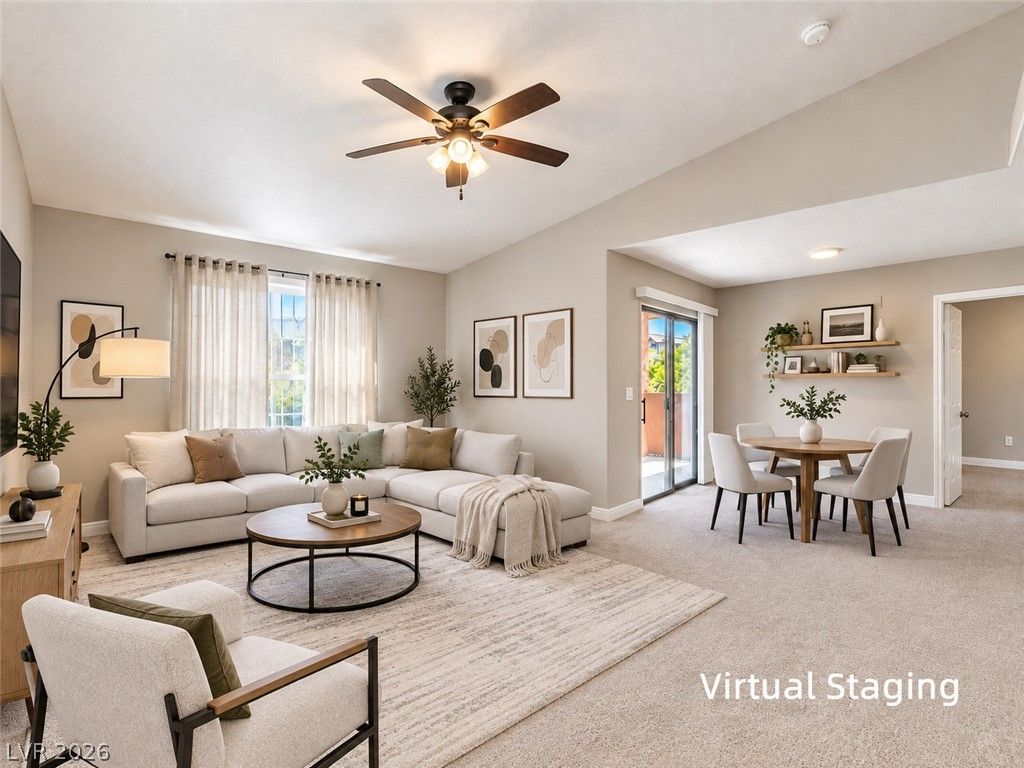
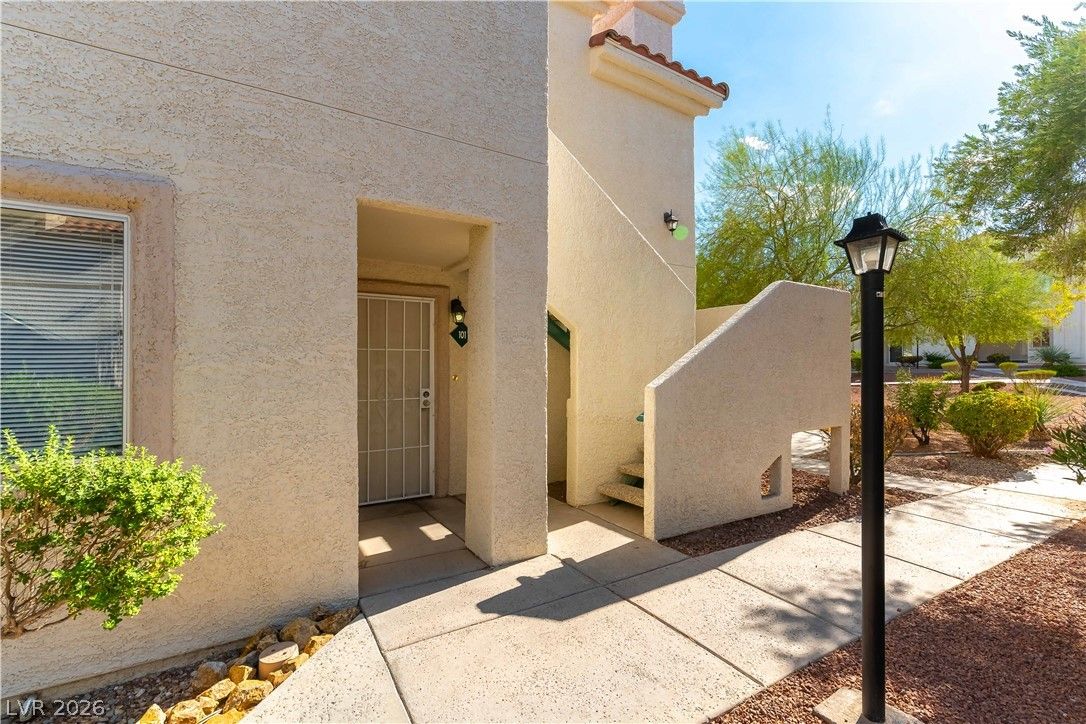
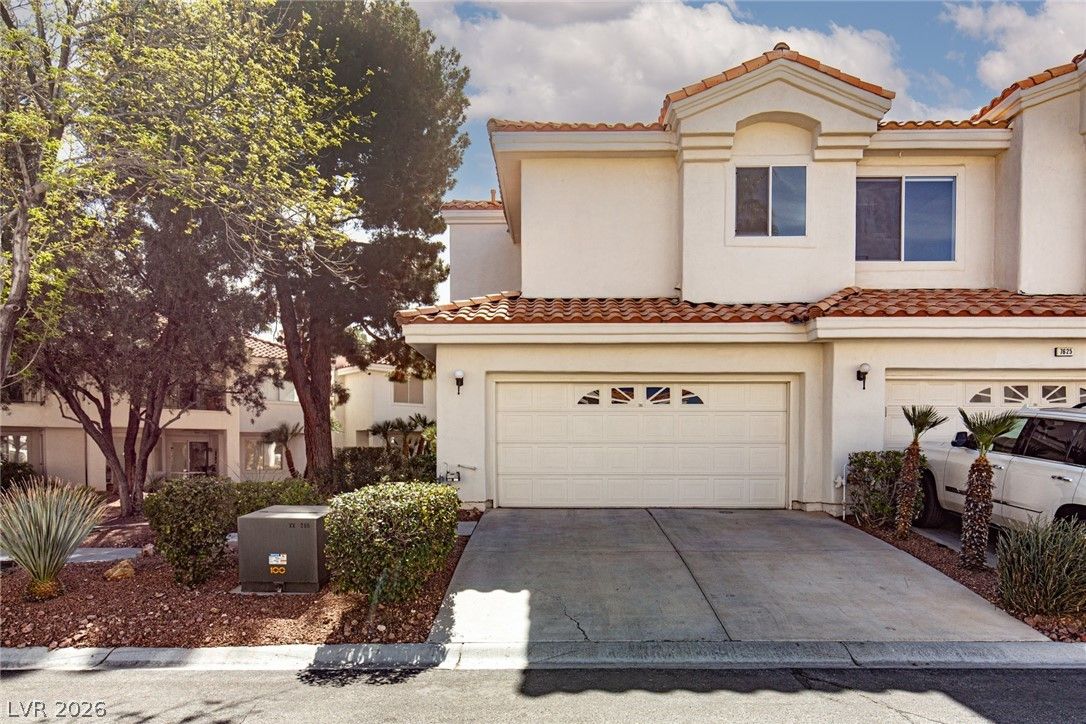
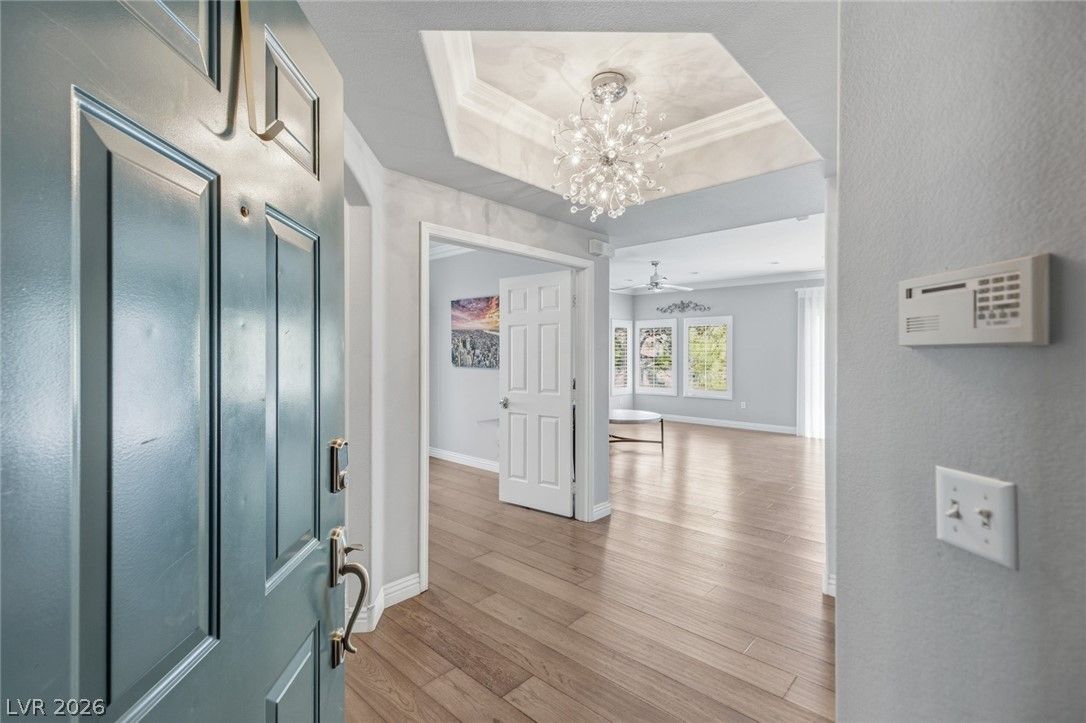
These are current condo listings in the Las Vegas area.


Townhomes: how to search
Our property type filters are Single Family and Condos. Townhomes can be classified under either of those in MLS data, depending on how the listing is entered, so searching one type can miss them. Search both and check each listing's description, HOA fee and lot details.
- Single-family homes and condos, with no area filter.
- Henderson condos and Summerlin condos.
- Boulder City condos.
Save the search to get new listings by email.
Questions to ask before you buy
- Is this a condominium or a planned community, according to the declaration?
- What do the dues cover, and is any special assessment pending?
- Does the building qualify for FHA financing, if you plan to use it?
- What do the rules say about rentals, pets and parking?
- What does the resale package show about reserves and pending legal actions?
Related guides
- First-Time Home Buyer Guide to Las Vegas
- Nevada Property Taxes Explained: how the tax bill, the 3% abatement and the homestead declaration work.
- 55+ Communities in Las Vegas
- Best Neighborhoods in Las Vegas: compare the communities we cover by price, home type and location.
Talk to us about condos and townhomes
If you want help comparing condos or townhomes, contact 1st Realty. You can also search all Las Vegas condos and save the search for email alerts.


